9 Things I Wish I Knew Before Cloth Diapering: A Parent's Comprehensive Guide
Choosing to start your cloth diapering journey is a big decision - and for many parents, it comes with a mix of excitement, curiosity, and a whole lot of questions. Cloth diapering can be an incredible way to reduce waste, save money over time, and create a diapering routine that better aligns with your family’s values. But like anything new in parenting, it also comes with a learning curve.
When I first started researching cloth diapers, I quickly realized there was so much more to learn than simply swapping a disposable diaper for a reusable one. From choosing between different styles and brands to understanding absorbency, wash routines, fit issues, and nighttime solutions, cloth diapering opens up an entirely new world of information. While it may seem overwhelming at first, a little preparation and the right support can make all the difference.
Looking back on my own cloth diapering experience, there are definitely things I wish someone had told me before I started - the little tips, mindset shifts, and real-life advice that would have saved me time, money, and a few moments of frustration along the way. The truth is, cloth diapering doesn’t have to be perfect or complicated to be successful. It’s about finding a system that works for your baby, your budget, and your everyday life.
Whether you’re currently pregnant and building your first stash, switching from disposables, or still deciding if cloth diapering is right for your family, these are the nine things I wish I knew before starting cloth diapers - along with a deeper look into each lesson to help you begin your journey with confidence.
1. Preparation Is Key
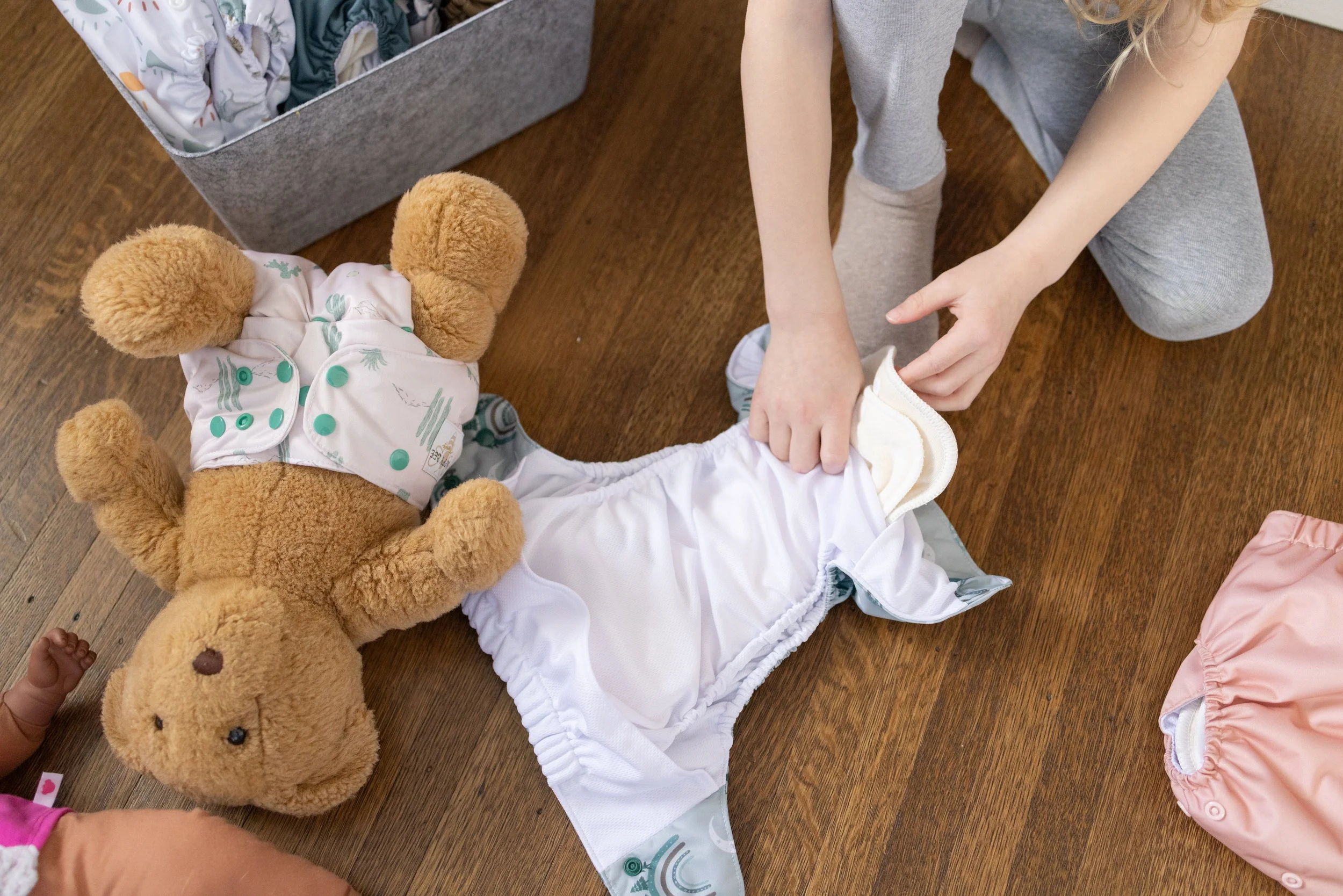
One of the best things you can do before starting your cloth diapering journey is give yourself time to learn the basics. While cloth diapering doesn’t have to be complicated, going in with a little knowledge can help you avoid common frustrations and feel more confident when your baby arrives.
Before building your stash, spend some time researching the different types of cloth diapers available and how each system works. From convenient all-in-ones and pocket diapers to budget-friendly prefolds and covers, every style has its own advantages. What works perfectly for one family may not be the best fit for another, so consider your lifestyle, budget, laundry routine, childcare situation, and personal preferences when choosing where to start.
Having your diapers washed, organized, and ready before baby arrives can also help make the transition smoother. Those first few weeks with a newborn are full of adjustments, and having one less thing to figure out can make a huge difference. That being said, don’t put too much pressure on yourself to have everything perfect from day one. Cloth diapering is flexible, and many families continue adjusting their routines and stash as they learn what works best for them.
If you’re brand new and looking for a complete breakdown of the basics, check out The Beginner’s Guide to Cloth Diapering: Getting Started with Confidence for a step-by-step guide on choosing diapers, building your stash, and preparing for success.
2. Invest in Quality
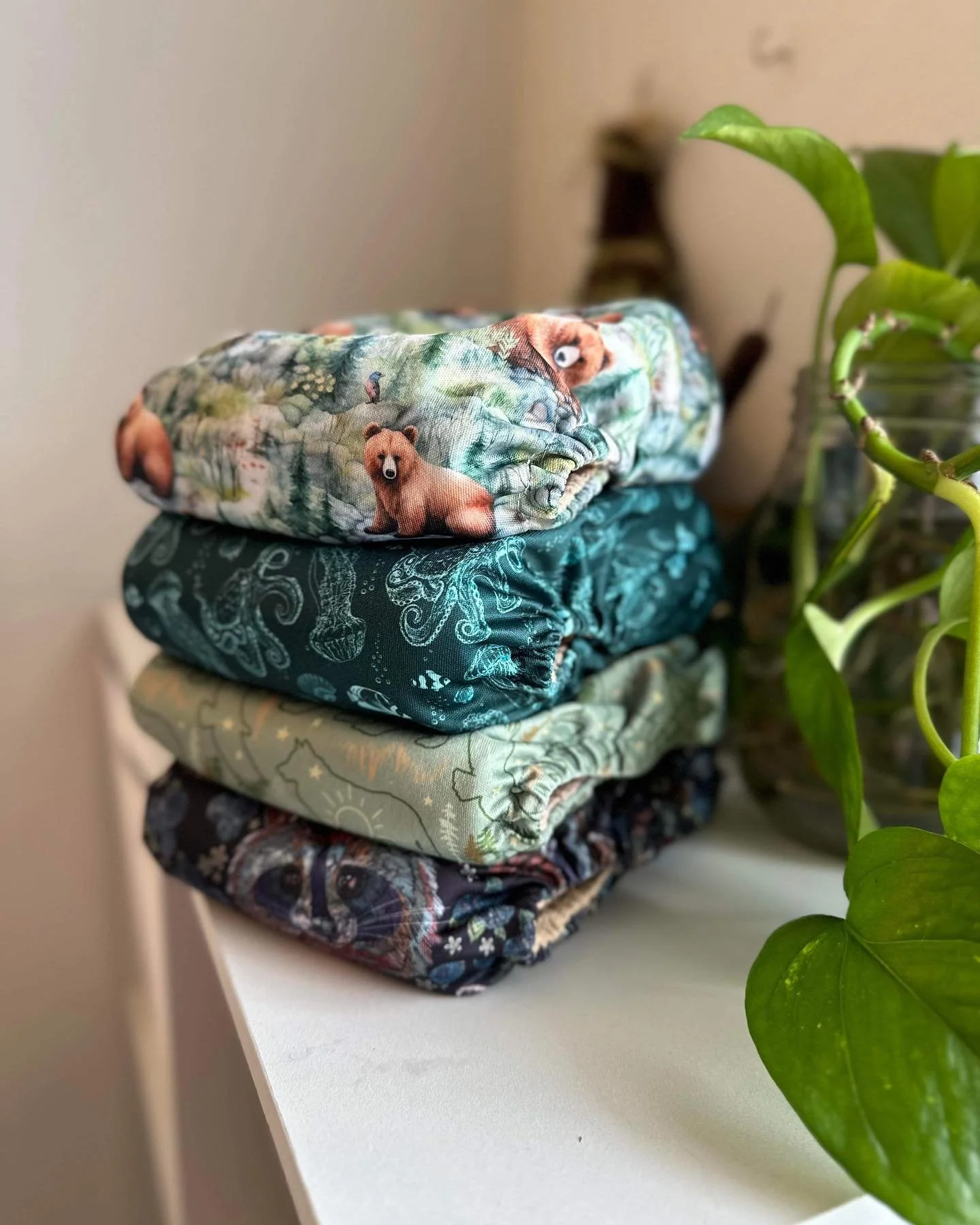
When it comes to cloth diapers, quality really can impact your overall experience. While it may be tempting to build the biggest stash possible for the lowest price, choosing reliable, well-made diapers can save you frustration (and money) in the long run.
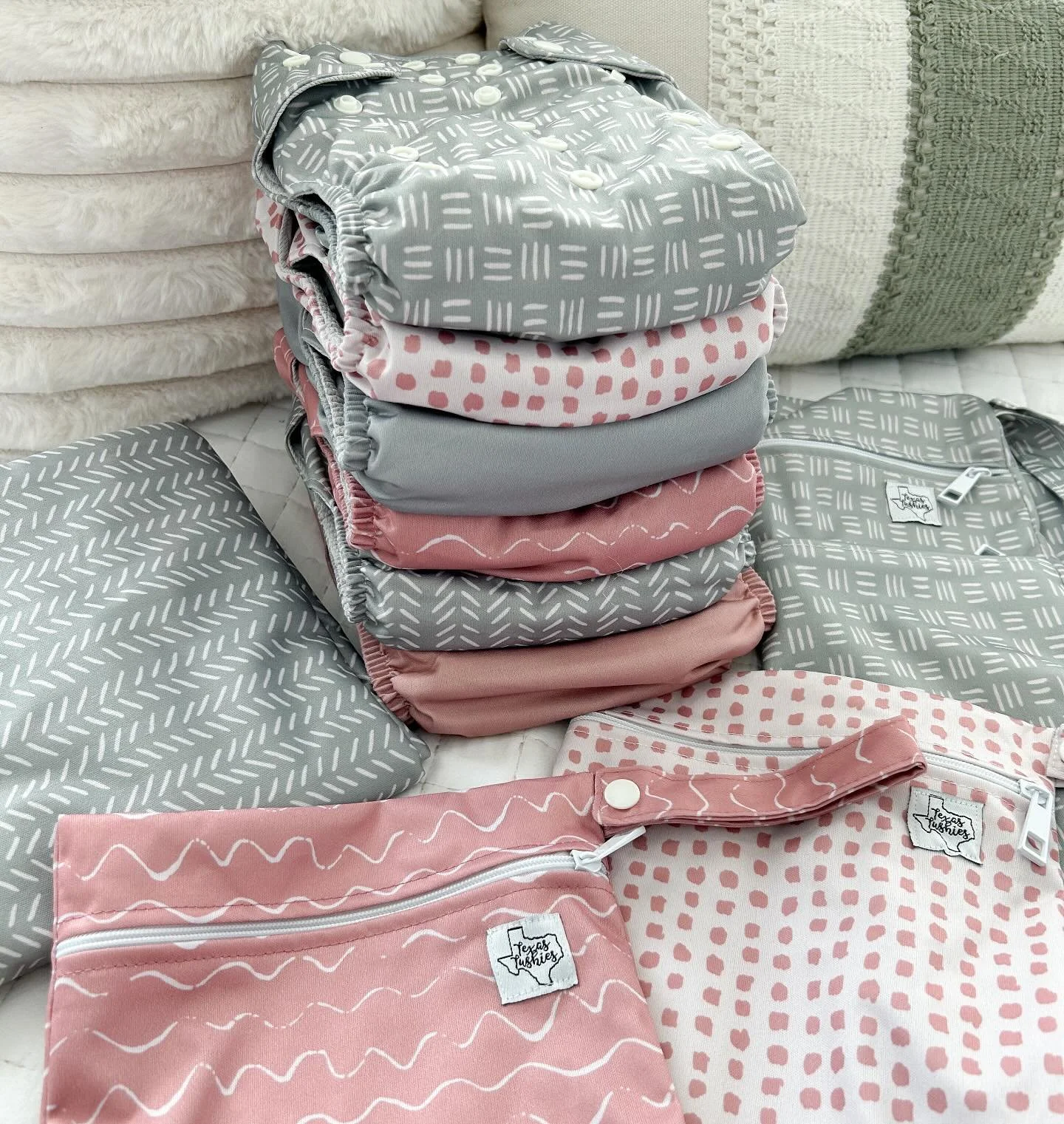
Quality cloth diapers are designed to withstand frequent washing, daily use, and all the stages your baby will go through from newborn to toddler. Features like adjustable sizing, durable snaps, comfortable elastics, quality waterproof materials, and dependable absorbency can make a huge difference in how well your diapers perform over time.
That doesn’t mean you need to buy the most expensive diapers on the market or have a picture-perfect stash. Cloth diapering can absolutely be done on a budget! The goal is finding brands and materials that offer a balance of affordability and durability. A smaller collection of dependable diapers will often serve you better than a large stash of diapers that don’t fit well, leak frequently, or wear out quickly.
Remember, cloth diapers are an investment. The diapers you purchase today may last through multiple children, be resold when you’re finished, or even be passed along to another family starting their cloth diapering journey. Choosing quality from the beginning can help make your experience easier, more enjoyable, and more sustainable.
3. Find Your Fit

One thing I wish I understood sooner is that cloth diapering is not one-size-fits-all - literally! Every baby is built differently, and finding the right fit plays a huge role in preventing leaks, keeping your baby comfortable, and making cloth diapering a positive experience.
Some babies have chunky thighs, some have tiny waists, some are heavy wetters, and some grow through different stages where their diaper needs completely change. A diaper that works amazingly for one family may not be the perfect match for yours, and that’s okay. Cloth or disposable - all parts of diapering is discovering what works best for your baby.
Don’t be afraid to experiment with different brands, styles, absorbency combinations, and sizing adjustments. Sometimes solving a leak is as simple as adjusting the rise snaps, changing how the elastics sit in the diaper crease, or adding extra absorbency. Other times, you may realize a different style fits your baby’s shape better.
This is another reason I recommend trying a variety of diapers before investing in an entire stash of one brand or system. Giving yourself options allows you to learn what you love and what makes diaper changes easiest for your family.
And remember - you don’t have to figure it all out alone! The cloth diapering community is full of experienced parents who can help troubleshoot fit issues, offer recommendations, and share what has worked for them. Sometimes a simple fit check or small adjustment can completely change your experience.
4. Embrace the Learning Curve
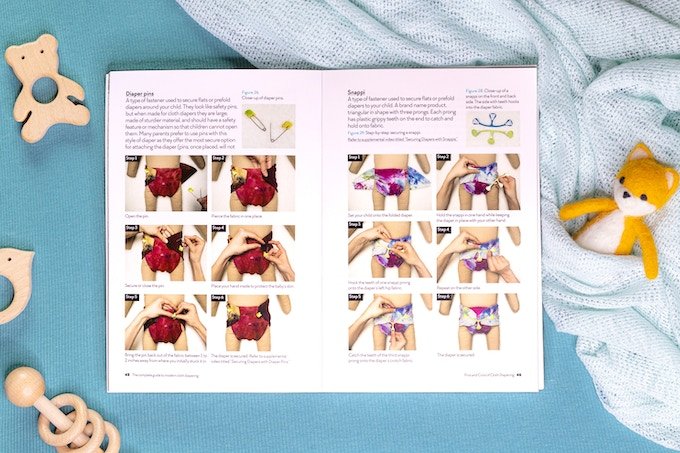
Cloth diapering is a skill, and like any new skill, it takes a little time to learn. While social media may make perfectly organized diaper drawers and flawless wash routines look effortless, most cloth diapering parents have experienced leaks, confusing laundry questions, or moments where they wondered if they were doing everything right.
Learning how to get the perfect fit, understanding absorbency needs, and creating a wash routine that works for your household may require some trial and error. Your routine may also change as your baby grows, starts sleeping longer stretches, begins solids, or enters the toddler stage.
Be patient with yourself as you learn. A leak doesn’t mean you failed, and one laundry issue doesn’t mean cloth diapering isn’t working. Most problems have simple solutions once you understand what your diapers are telling you.
The goal isn’t perfection - it’s finding a realistic routine that works for your family. With time, practice, and support, the things that once felt overwhelming become second nature. Before you know it, snapping on a cloth diaper, adjusting absorbency, and starting diaper laundry will just become another normal part of your parenting routine.
5. Establish a Washing Routine
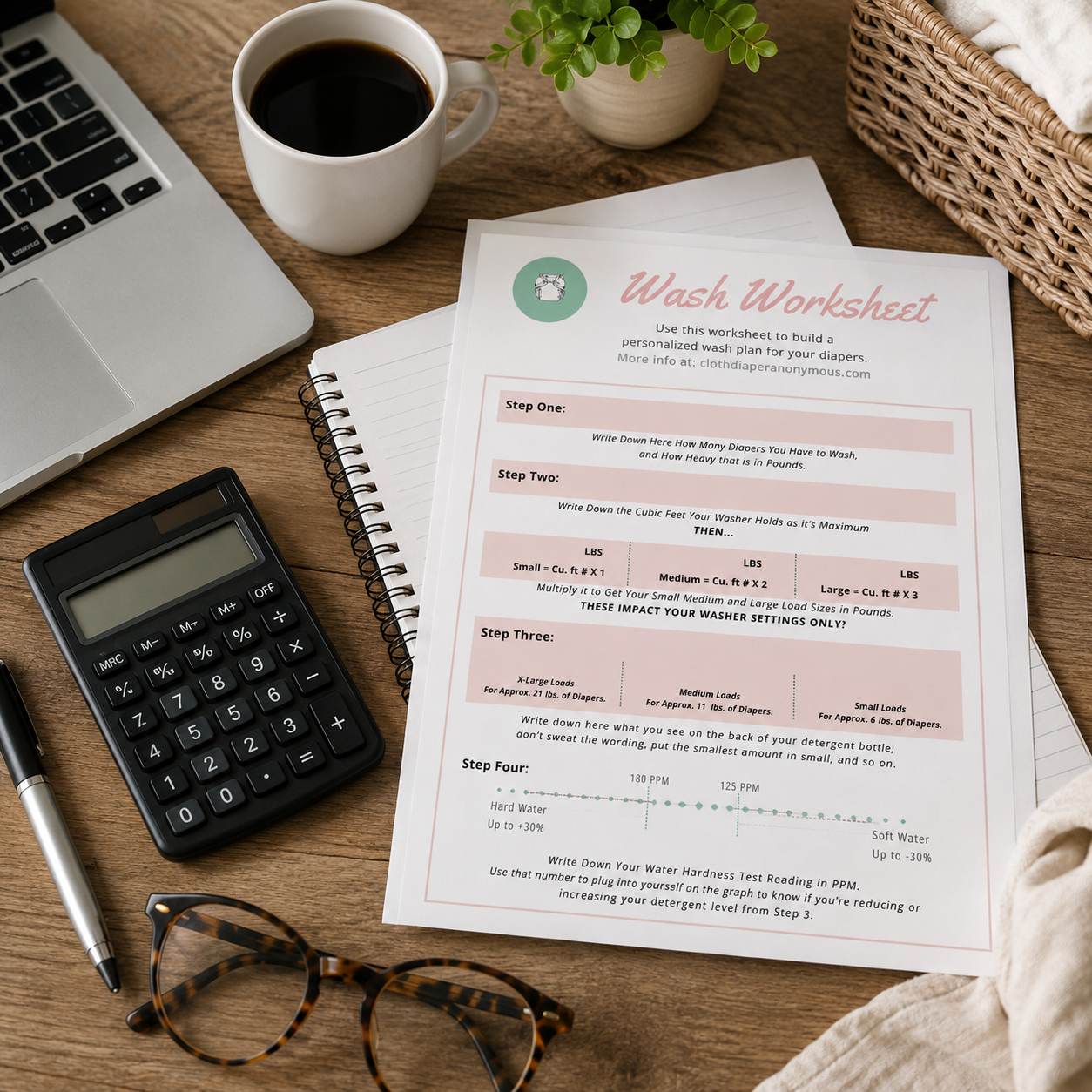
One of the biggest things I wish I knew before starting cloth diapering is that diaper laundry does not have to be complicated. When you first start researching wash routines, it can feel overwhelming - water hardness, detergent amounts, wash cycles, agitation, worksheets, calculations - the list goes on. But the truth is, washing cloth diapers is still just laundry.
A good cloth diaper wash routine starts by looking at what already works for your regular household laundry and making a few adjustments. Modern washing machines and detergents have come a long way, and you likely don’t need a complicated routine to get clean diapers. The biggest difference between diaper laundry and regular laundry is that cloth diapers need to be washed twice: the first wash removes the majority of the waste, and the second wash gets everything thoroughly clean.
One common mistake many families make is assuming more detergent means cleaner diapers. In reality, many households use far more detergent than necessary, which can sometimes lead to buildup, extra rinsing, or diapers that don’t feel as fresh as they should. A good starting point is often much less than people expect - around 1-2 tablespoons of detergent - and then adjust based on your results.
Your nose is one of your best troubleshooting tools! After your main wash, give your diapers a sniff test. Clean diapers should smell like nothing. If they smell strongly like detergent or feel like they aren’t rinsing clean, you may need to reduce your detergent amount or run another wash cycle. Adding distilled white vinegar occasionally can also help rinse away lingering detergent (yes, vinegar is cloth diaper safe when used correctly!). If your diapers still smell dirty after washing, they likely need another wash and you may need to slightly increase detergent or adjust your routine next time.
The perfect wash routine isn’t the most complicated one - it’s the one that gets your diapers clean and works consistently for your family.
6. Prepare for the Unexpected
Cloth diapering outside of the house may sound intimidating at first, but with a little preparation, it quickly becomes second nature. The biggest difference between using cloth diapers at home and on the go is simply remembering that your diapers come back home with you instead of going into the trash.
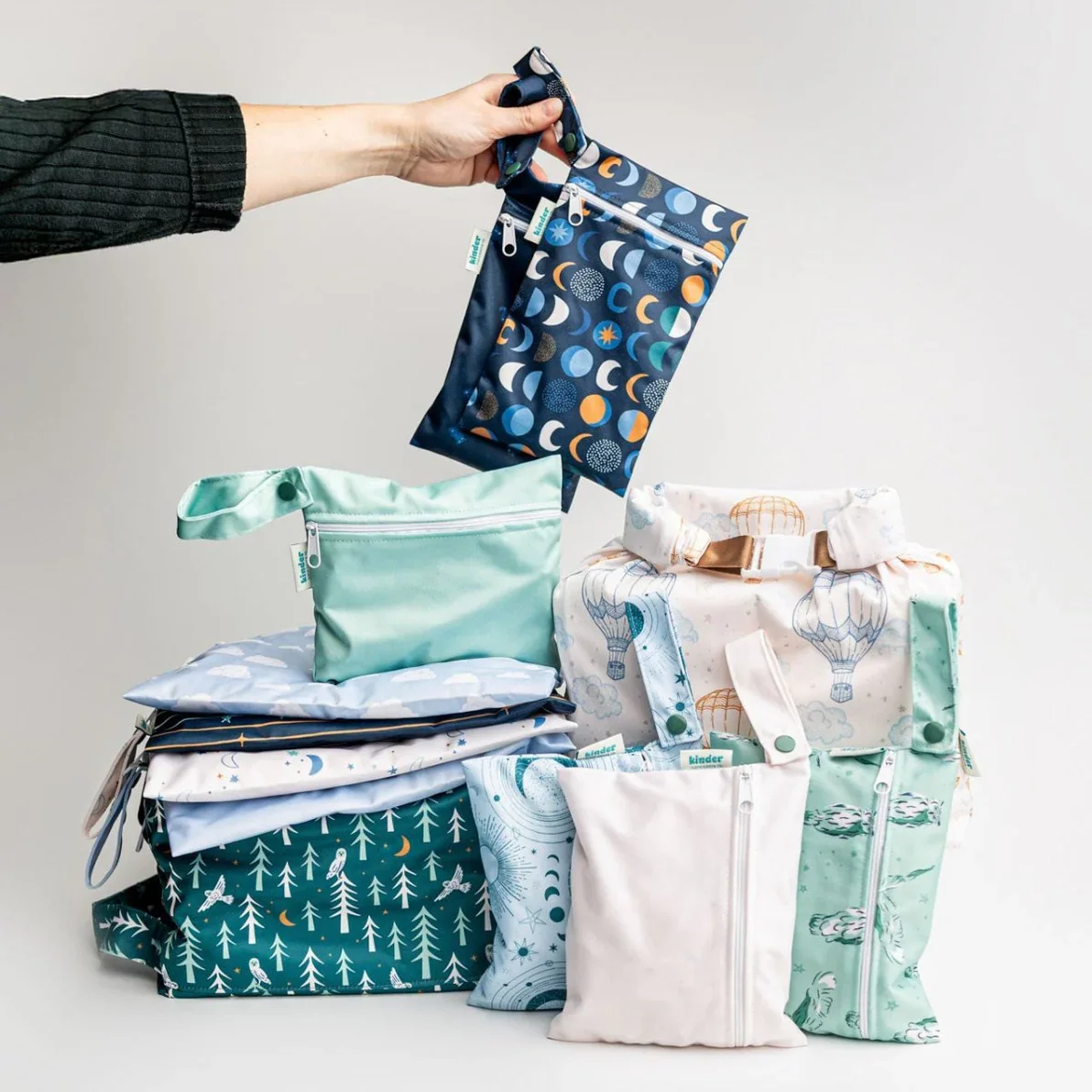
A good wet bag will become your best friend. Wet bags are designed to hold dirty diapers, contain moisture, and keep smells under control until you get home. Keep one packed in your diaper bag along with a few clean diapers, wipes, and any other changing essentials you normally use.
It’s also helpful to pack an extra diaper or two, especially in the beginning while you’re learning your baby’s changing schedule and absorbency needs. Just like with disposable diapers, unexpected messes happen - being prepared makes them much easier to handle.
Whether you’re running errands, traveling, visiting family, or sending diapers to daycare, having a simple system in place makes cloth diapering away from home much less stressful.
7. Be Mindful of Your Environment
Many families choose cloth diapering because they want a more sustainable option, and the great thing about cloth is that there are many ways to make your routine even more eco-conscious.
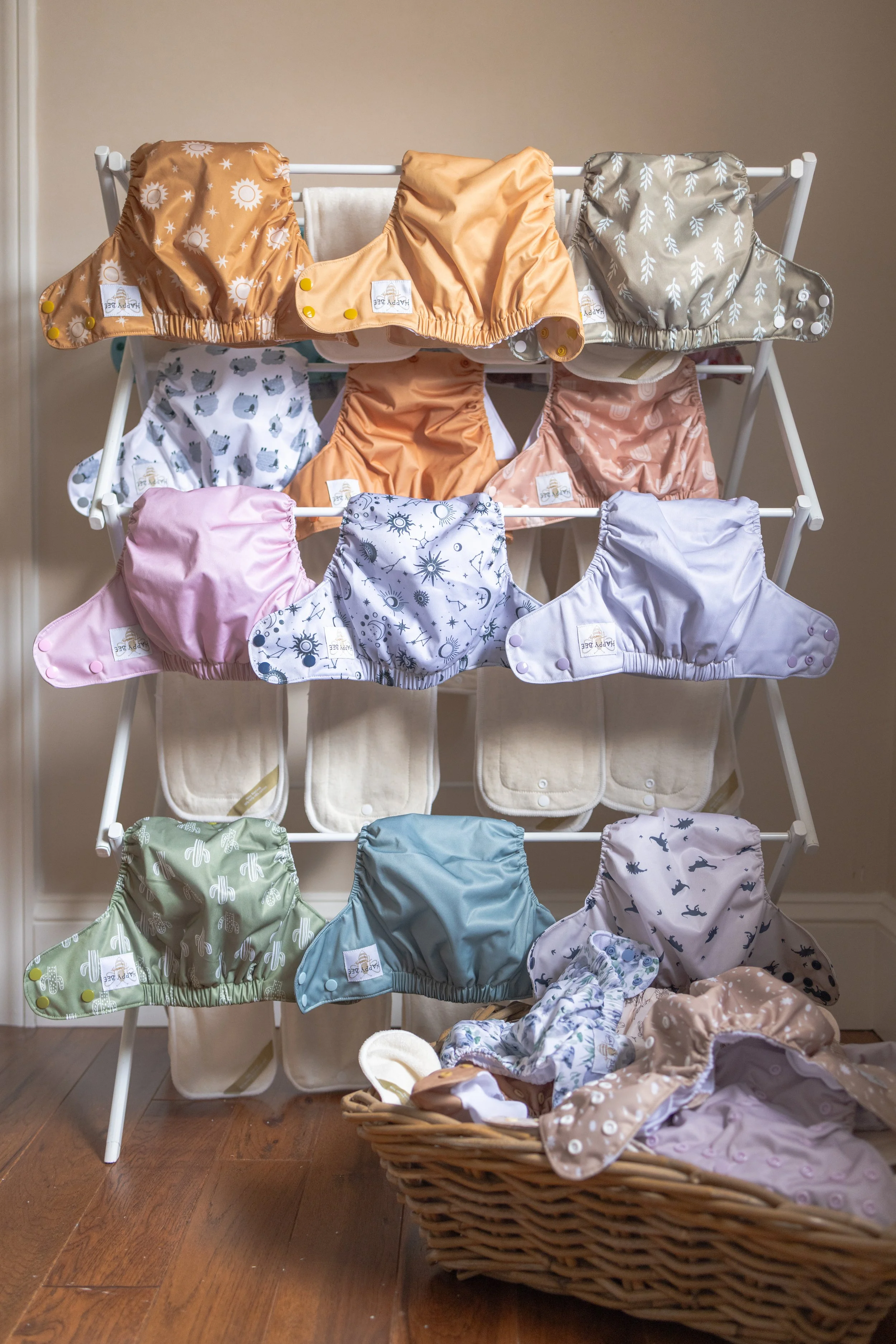
Since cloth diapers are reusable, they can drastically reduce the amount of diaper waste your household produces. You can take it a step further by making small choices throughout your routine, such as washing full loads when possible, using efficient wash settings, and line drying your diapers when it works for your schedule.
Line drying can help reduce energy use and extend the life of certain diaper materials like elastics and waterproof covers. However, sustainability also means creating a routine you can realistically maintain - using your dryer when you need to doesn’t mean you’re doing anything wrong.
Choosing reusable products like cloth wipes, repurposing diapers for multiple children, buying secondhand, or passing your stash along when you’re finished are all additional ways to maximize the environmental benefits of cloth diapering.
At the end of the day, cloth diapering isn’t about being perfectly zero-waste. It’s about making small, intentional choices that work for your family while reducing your overall impact.
8. Join a Community
One of the best things you can do when starting your cloth diapering journey is find a supportive community of other parents who have been exactly where you are. Cloth diapering can feel overwhelming in the beginning, but having a place to ask questions, troubleshoot problems, and celebrate small wins can make all the difference.
Whether you’re trying to figure out why you’re getting leaks, need help adjusting your wash routine, want recommendations for overnight solutions, or just want someone who understands your excitement over a new diaper print - the cloth diaper community is an incredible resource.
There are so many ways to connect with other cloth diapering families, including online forums, Facebook groups, brand communities, local parenting groups, and social media pages. Many cloth diaper brands also have their own communities where parents share fit advice, product tips, and real-life experiences with specific diapers.
A good community reminds you that there are many different ways to successfully cloth diaper. You’ll find families who cloth diaper full-time, part-time, on a budget, with daycare, while traveling, with newborns, with toddlers, and everything in between.
Having support can turn a frustrating moment into an easy fix and help you feel confident as you learn. Cloth diapering is much easier when you don’t feel like you’re figuring it all out alone.
9. Flexibility Is Key
One of the biggest lessons I’ve learned is that cloth diapering does not have to be all or nothing. There is no prize for doing it “perfectly,” and there are no rules saying you have to use cloth diapers 100% of the time to be considered a cloth diapering family.
Some families cloth diaper during the day and use disposables overnight. Some use disposables while traveling, during daycare, during sickness, or simply during seasons of life when they need a little extra convenience. Others start with part-time cloth diapering and eventually transition into full-time once they feel more comfortable.
The beauty of cloth diapering is that it is flexible. Every cloth diaper used is still one less disposable diaper purchased and thrown away. Small changes can still create a big impact over time.
Your routine may also change as your baby grows. What works during the newborn stage may look completely different once you have a crawling baby, a heavy-wetting toddler, or a busy family schedule — and that’s okay! Adjusting your routine doesn’t mean you’re failing; it means you’re finding what works for your real life.
Final Thoughts
Cloth diapering is a rewarding journey that can benefit your baby, your budget, and the environment - but like every part of parenting, it comes with learning, adjusting, and finding your own rhythm.
By preparing ahead of time, investing in quality diapers, finding the right fit, creating a simple wash routine, and connecting with supportive parents, you can start your cloth diapering journey with confidence.
Remember, cloth diapering isn’t about perfection. It’s about creating a sustainable, realistic routine that works for your family. Whether you use one cloth diaper a day or cloth diaper full-time, every step counts.
Be patient, stay curious, ask questions, and enjoy the journey.
Happy diapering! 🌿
*This post may contain affiliate links. I do earn a small commission or store credit for some referrals purchased through these links. Any opinions shared are my own, I am just disclosing my material affiliation as required by the FTC. Commissions earned help continue to sponsor this content, donation, giveaways and more. Your support is so greatly appreciated <3
Need help finding something?
Shop Now