The Beginner's Guide to Cloth Diapering: Getting Started with Confidence
Starting your cloth diapering journey can feel like stepping into a whole new world — exciting, empowering, and maybe even a little intimidating at first. Between choosing the right style of cloth diapers, learning new terminology, figuring out wash routines, and deciding which accessories you actually need, it’s completely normal to feel overwhelmed in the beginning. Many parents start with the same questions: “How many diapers do I need?”, “Will cloth diapering really save money?”, “Is washing them complicated?”, and of course, “What about the poop?”
The good news is that cloth diapering doesn’t have to be all-or-nothing, expensive, or complicated. Whether your goal is to reduce waste, save money, avoid certain ingredients found in disposable diapers, or simply try something new for your family, there is a cloth diapering routine that can fit your lifestyle. This beginner’s guide is designed to break everything down into simple, manageable steps — from understanding the different types of cloth diapers to building your stash and creating an easy wash routine. By the end, you’ll have the knowledge and confidence you need to start your cloth diapering journey without the stress.
Shop the Clearance section!
Understanding the Basics:

Before diving into the details, let’s start with the basics — what exactly is cloth diapering? Unlike disposable diapers that are used once and thrown away, cloth diapers are reusable alternatives designed to be washed and used again and again. Modern cloth diapers have come a long way from the safety pins and plastic pants many people imagine. Today’s options are convenient, customizable, and made to fit a variety of lifestyles and budgets.
Families choose cloth diapers for many different reasons. They can significantly reduce the number of disposable diapers ending up in landfills, create a gentle barrier against your baby’s delicate skin, and offer major long-term savings compared to the constantly rising cost of disposable diapers. Whether you’re hoping to live a more sustainable lifestyle, reduce household expenses, or simply have more control over the products touching your baby’s skin, cloth diapering can be a practical and rewarding choice.
There are several different styles of cloth diapers available, including prefolds, flats, fitted diapers, pocket diapers, all-in-ones, and more. Each system has its own benefits, learning curve, and features that may work better for different families. The best cloth diaper is the one that fits your baby, your budget, and your daily routine.
For a deeper breakdown of each style and help choosing the right option for your family, check out our blog post: The Different Systems of Cloth Diapering.
Getting Started:
1. Research Your Options
Before purchasing your first cloth diapers, take some time to explore the different styles available and the pros and cons of each system. Consider factors like ease of use, absorbency, drying time, cost, and how much maintenance you’re comfortable with. Every family’s routine looks different, which means there truly isn’t a one-size-fits-all “best” cloth diaper.
One of my biggest recommendations for beginners is to try a few different styles before committing to an entire stash. You may discover that you love one system for daytime use but prefer something completely different overnight or when you’re out of the house. Testing a variety of diapers allows you to find what works best for your baby and lifestyle.
A great way to build a well-rounded starter stash is by shopping through trusted cloth diaper retailers and small businesses that specialize in cloth diapering (not Amazon!). Dedicated cloth diaper brands typically offer better product education, more accurate material information, and options designed specifically for long-term success.
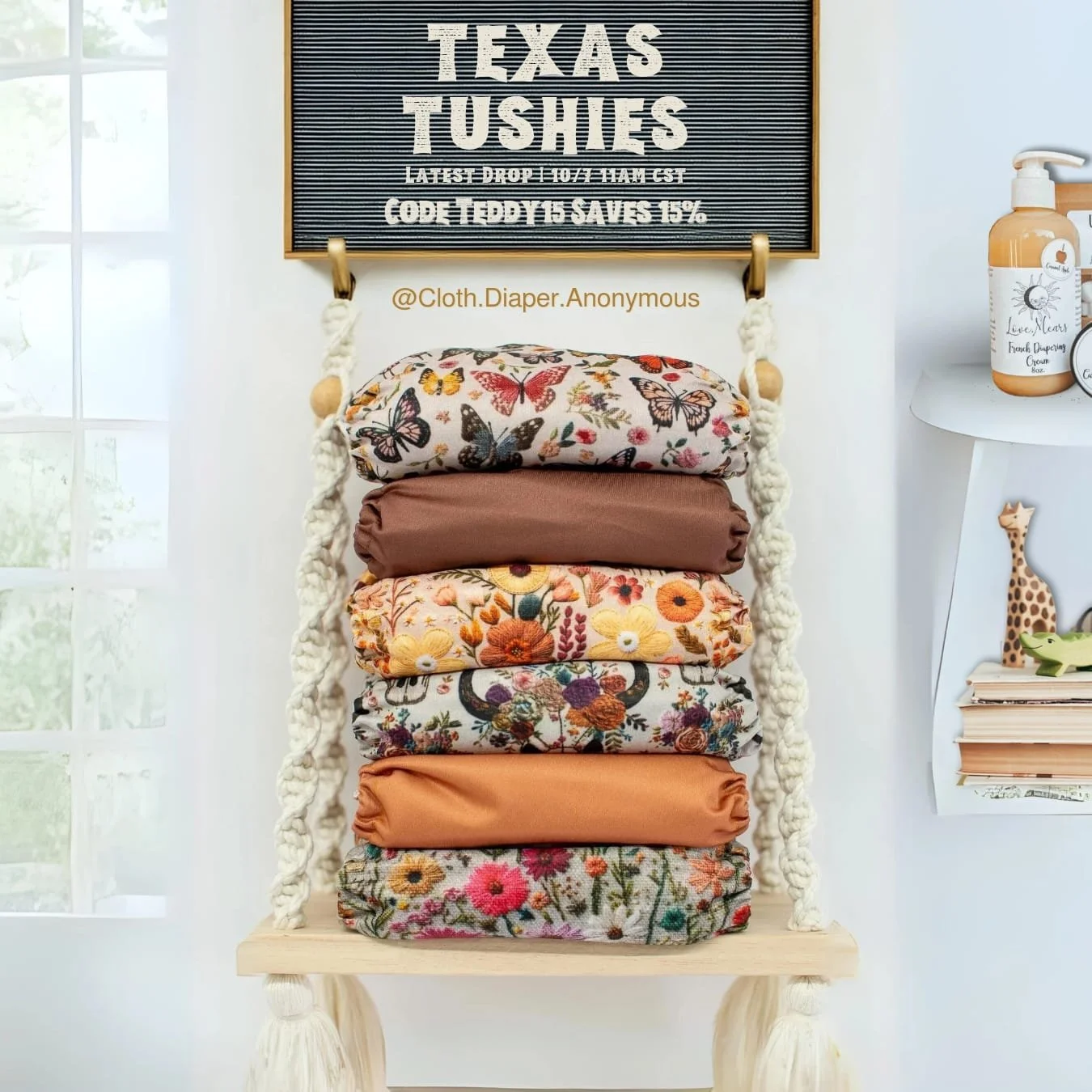
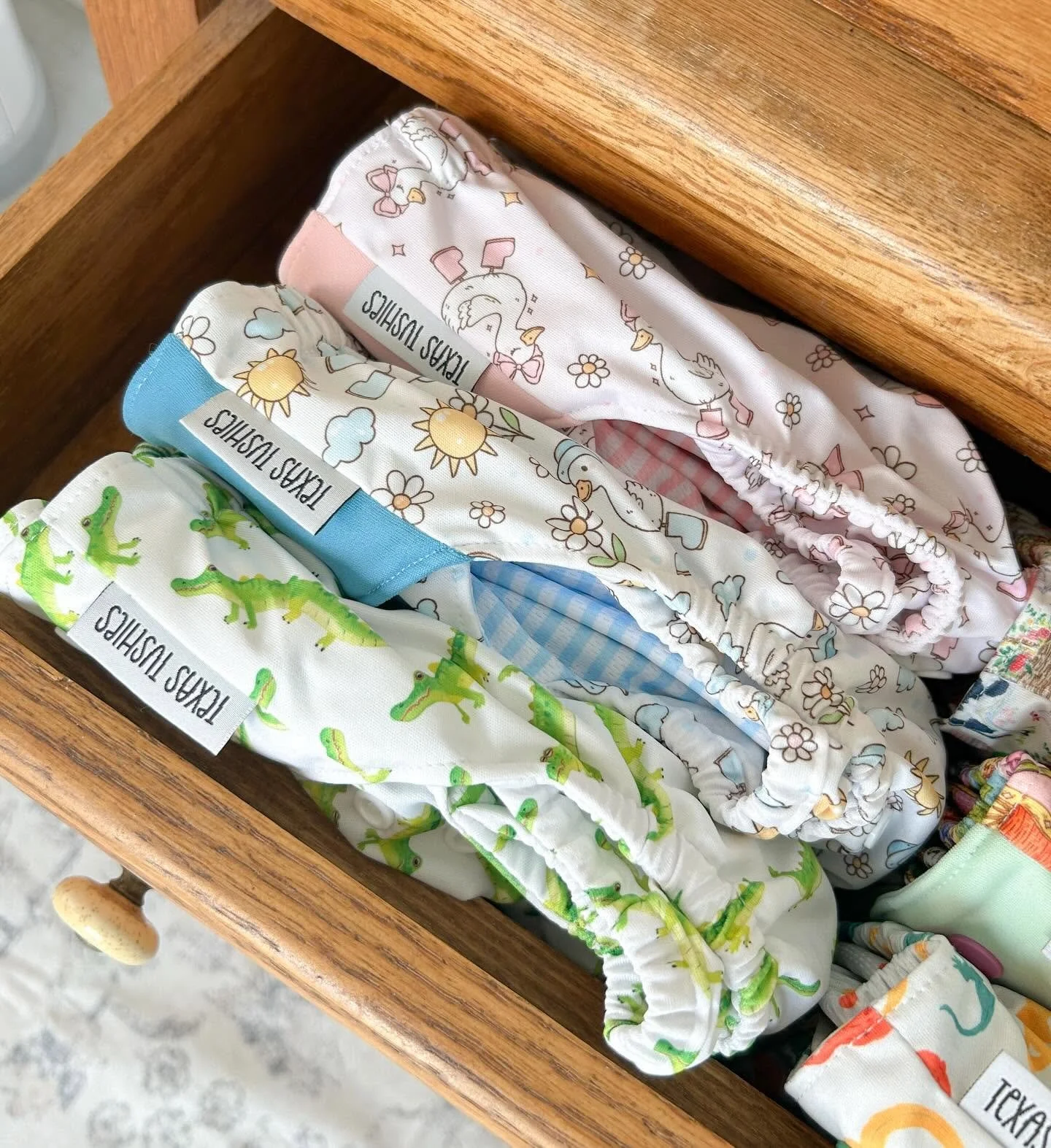
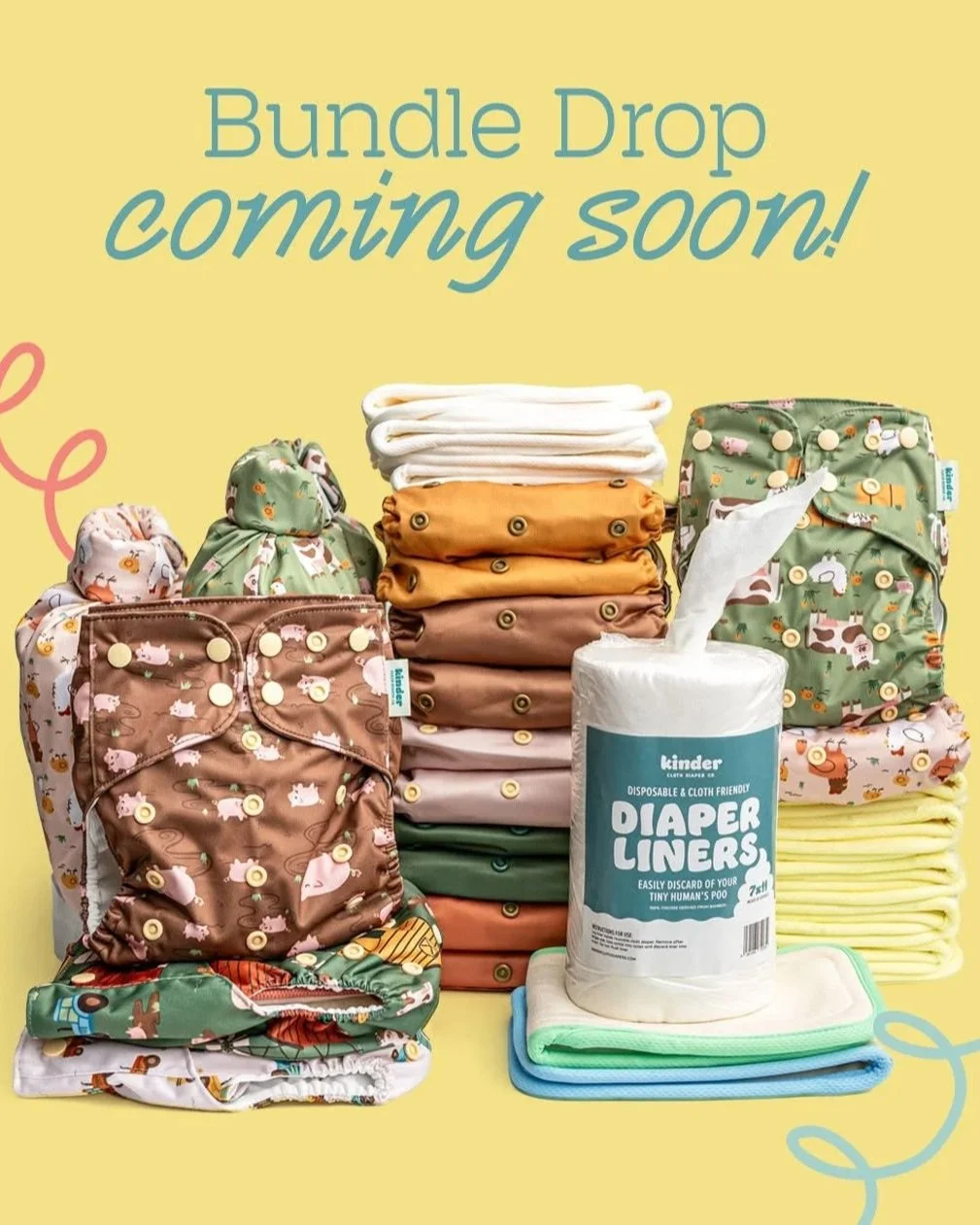
Brands like Kinder Cloth Diapers, Texas Tushies, and Redwood Cloth Co are great places to start because they offer options for different stages of your cloth diapering journey — from newborns to potty training toddlers — along with a variety of styles and absorbency options. Exploring different brands and systems gives you the chance to discover what fits your baby, your budget, and your routine best.

2. Building Your Cloth Diaper Stash
Once you’ve found the type of cloth diapers you’d like to use, it’s time to start building your stash! You don’t need to buy everything at once. Starting with a smaller collection allows you to see what fits your baby best and what you enjoy using before investing in a larger quantity.
If you’re someone who loves cute prints and patterns, don’t underestimate the power of choosing diapers you’re genuinely excited about. Pick designs you love, prints that make you smile, or patterns that mean something special to you — trust me, it really can help keep you motivated on the days cloth diapering feels like extra work.
How many cloth diapers you need depends on your baby’s age, how often they need changes, and how frequently you plan to wash. Check out our cloth diaper stash chart for a better idea of how many diapers you may need at each stage. Keep in mind, these recommendations are generous and designed to give you plenty of time to wash, fully dry your diapers, and maybe even squeeze in a much-needed nap.
3. Choosing Cloth Diaper Accessories
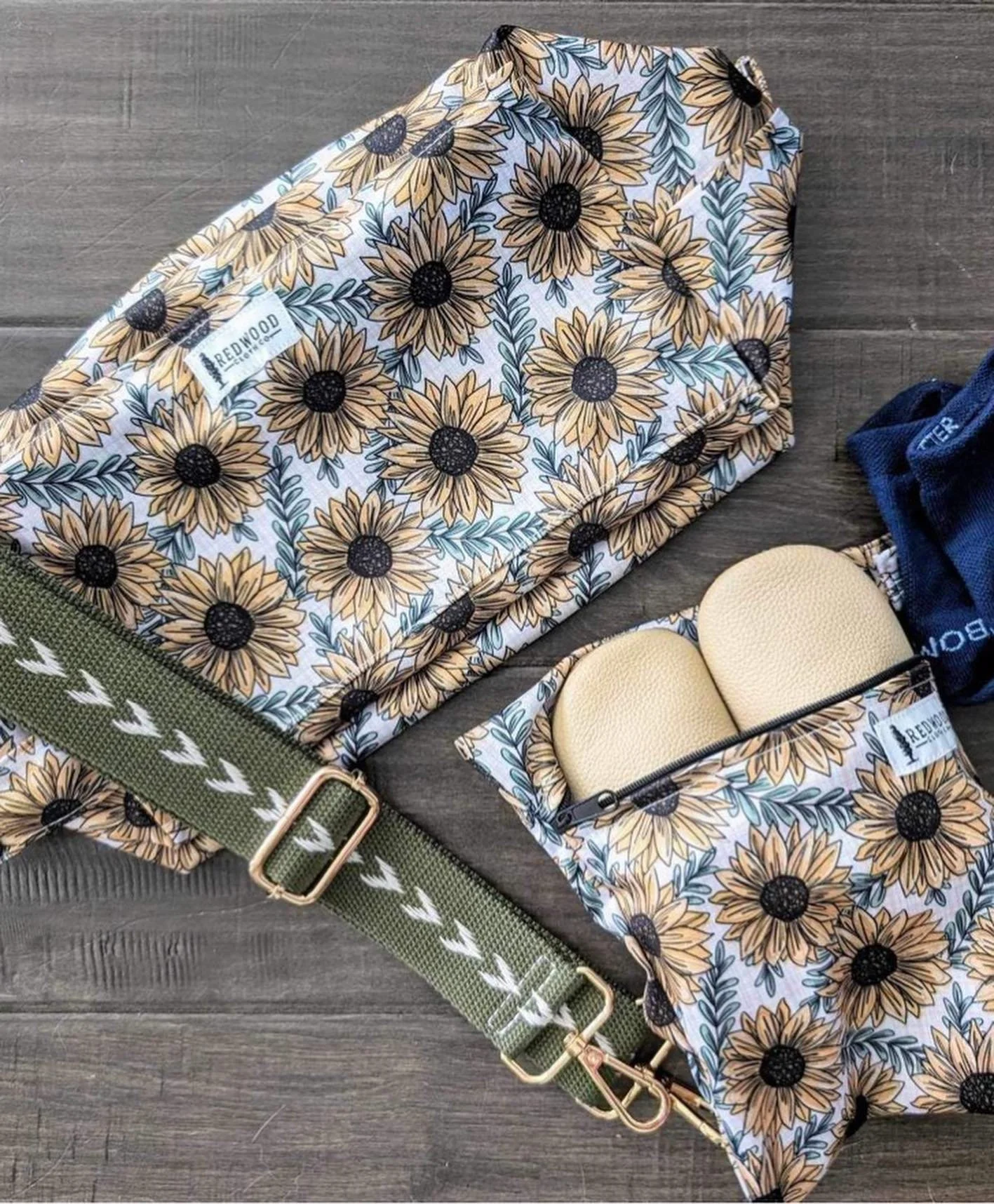
📸 Photo credit: Redwood Cloth Co.
Along with your diapers, there are a few accessories that can make cloth diapering easier. Some are must-haves, while others are simply convenient extras that can simplify your routine.
Common cloth diaper accessories include wet bags, diaper pods, pail liners, diaper pails, diaper sprayers, spray shields, and other storage solutions. These items help with organizing clean diapers, storing dirty diapers until wash day, and making diaper changes a little smoother.
You definitely don’t need every accessory on the market to successfully cloth diaper, but having the right tools for your routine can make a big difference. For a list of my favorite cloth diaper accessories and where to find them, check out the linked guide below.
4. Prepping Your Cloth Diapers
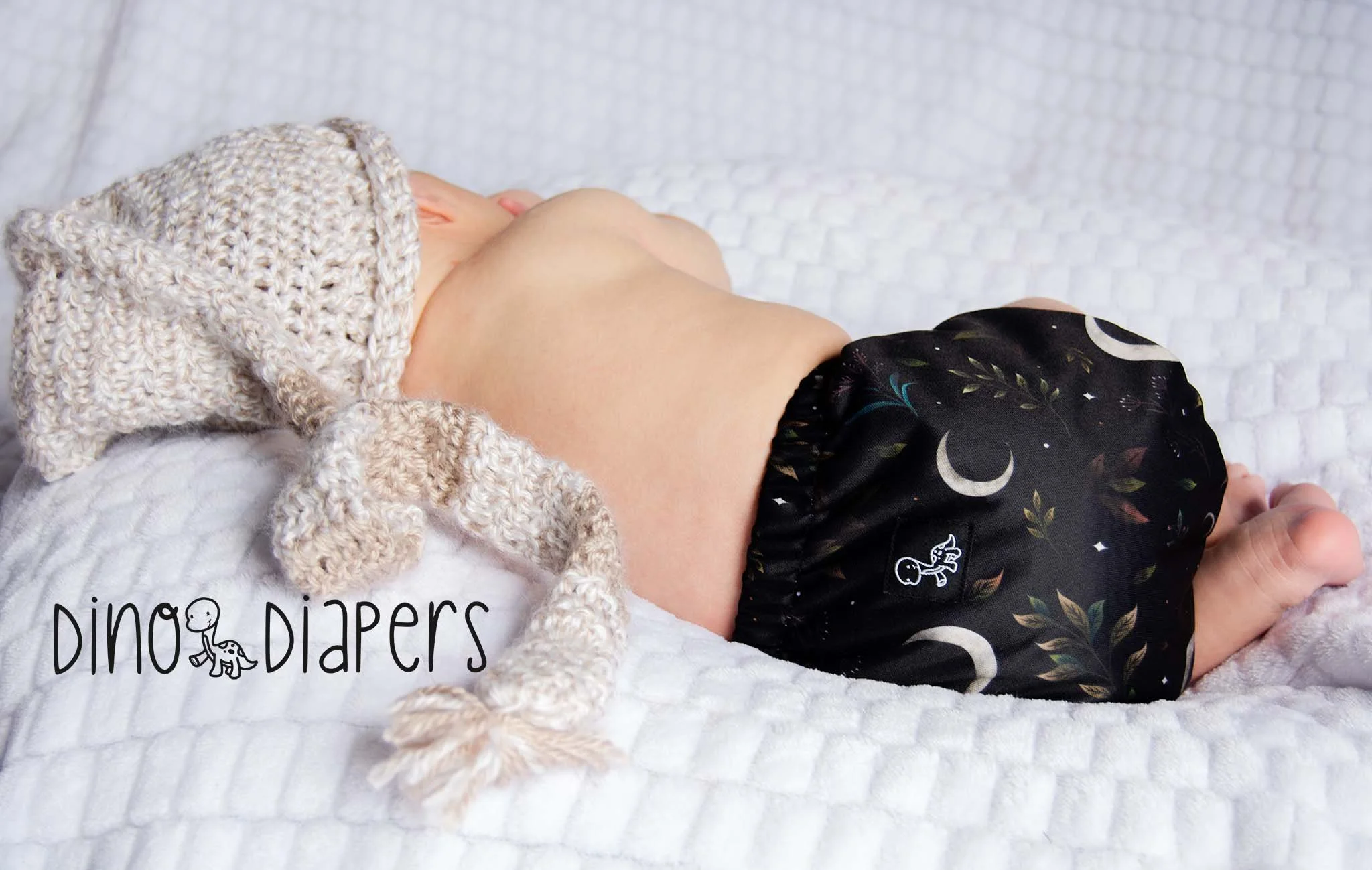
📸 Photo credit: Dino Diapers
Before using cloth diapers for the first time, it’s important to prep them according to the manufacturer’s recommendations. Prepping helps remove any leftover residues from manufacturing and allows certain natural fibers to reach their full absorbency potential.
The prepping process depends on the materials your diapers are made from. Synthetic and semi-synthetic materials, such as PUL covers, polyester, microfiber, and many bamboo blends, typically only need one initial wash before use. Natural fibers like cotton, hemp, and some hemp-cotton blends may require several washes before reaching maximum absorbency — sometimes up to 8–10 washes.
The good news? You don’t always have to complete every single prep wash before putting them on your baby. For newborns and younger babies, maximum absorbency usually isn’t needed right away. You can absolutely “prep as you go,” allowing your diapers to become more absorbent through regular washing and use. This not only saves time but also helps conserve water.
Tips for Cloth Diapering Success
Stay Consistent
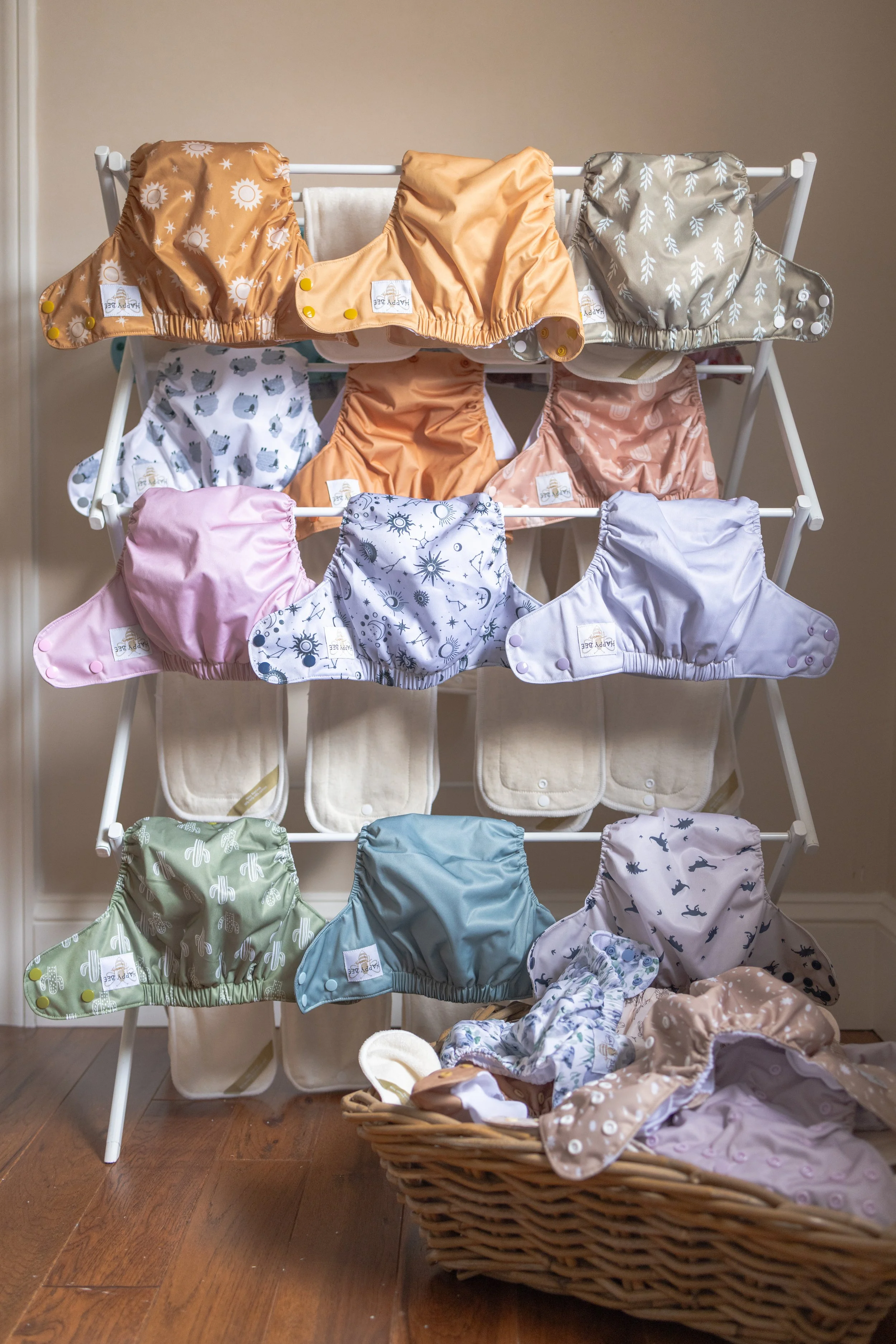
Consistency is one of the biggest keys to success when starting your cloth diapering journey. Creating a simple routine for diaper changes, dirty diaper storage, and laundry will help keep things manageable, prevent issues like leaks or odors, and make cloth diapering feel like a normal part of your day.
The good news? Your routine doesn’t have to be perfect. Life happens! Starting laundry a little earlier than planned or occasionally going a little longer between wash days usually isn’t a big deal once you understand the basics. However, building good habits from the beginning will help set you up for long-term success and make troubleshooting much easier if something ever feels off.
Experiment and Find What Works for Your Family
Don’t be afraid to try different brands, styles, and absorbency combinations until you find what works best for you and your baby. Cloth diapering is not one-size-fits-all, and every baby is shaped differently.
You might discover that you love one style during the day but prefer a completely different setup for naps, outings, daycare, or overnight. Finding your favorite routine is part of the process! Give yourself permission to experiment instead of feeling like you have to get everything perfect on the first try.
Find Your Cloth Diaper Community
One of the best resources available to new cloth diapering parents is the cloth diaper community itself. Online groups and local communities are great places to ask questions, share experiences, troubleshoot issues, and learn tips from families who have already been through the process.
If you find yourself loving a particular brand because of their fit, prints, or overall style, check to see if they have a community or “VIP” group. Many cloth diaper brands have Facebook groups filled with experienced parents who are happy to help with everything from fit checks and absorbency questions to wash routine advice.
If you’re looking for a non-brand-specific space, you can also join us at Cloth Diaper Anonymous. Our community groups on Facebook and Discord are designed to support all cloth diapering families — no matter what brands you use, where you are in your journey, or how you choose to cloth diaper.
Be Patient With Yourself
Like anything new, cloth diapering comes with a learning curve. There may be moments where you adjust your wash routine, troubleshoot leaks, try different inserts, or change your setup as your baby grows — and that’s completely normal.
Give yourself time to learn what works for your family. Cloth diapering isn’t about doing everything perfectly; it’s about finding a sustainable routine that fits into your real life.
Choosing to cloth diaper is a rewarding decision that can benefit your baby, your budget, and the planet. By learning the basics, starting with the right tools, finding support, and giving yourself room to grow, you can begin your cloth diapering journey with confidence.
Welcome to the world of cloth diapering — we’re so happy you’re here. Happy diapering! 🌱
Frequently Asked Questions:
You can a list of the most commonly asked question on the FAQ page but here’s a few common questions.
Q. IS MY BABY TOO OLD TO START WEARING CLOTH DIAPERS?
A. No, If your baby is still in diapers past the typical standard 2-3 years due to any potty learning delay or special needs there are diapers available in extended sizes that can be a great option. If your baby is still small and wondering if the investment is still worth I encourage you to at least try swapping 2-3 diapers a day with a cover and flat system and decide if it’s right for you. Here’s a post on the items that I’d recommend for doing this on a budget
Q. CAN I USE A DIAPER RASH CREAM WITH MY CLOTH DIAPERS?
A. Yes, there are many options when it comes to creams and balms. There are a few ingredients you want to look out for and those are Zinc Oxcide and Petroleum. Zinc Oxcide can leave a white stain and petroleum could be harder to wash out and cause a repelling issue if you don’t have access to washing with hot water. Most mamas choose to just use Coconut oil, cornstarch or whatever cream they like and add a liner as a barrier to protect the diaper. For more information you can check out our blog Navigating Diaper Creams and Cloth Diapers or shop and compare ingreditent via the Diaper Cream Index
Q. HOW OFTEN WILL I HAVE TO WASH MY CLOTH DIAPERS?
A. Having a larger stash of diapers means you can go longer periods of time between washings. If you have a smaller stash, you may run a load every night. 2-3 days is about the average time but some may choose to go longer. Try not to exceed 6-7 days to avoid mold and mildew, keep them in a cool dry place with plenty of airflow to avoid odors.
Q. HOW TO CLEAN CLOTH DIAPERS WITH POOP?
A. Whether using cloth diapers or not, parents and caregivers of babies and toddlers deal with poop every day. With cloth diapers, any solids (other than those from an exclusively liquid diet fed baby) need to be discarded in the toilet. Shake the diaper over the toilet, use biodegradable cloth diaper liners, or spray using a hose attached to your toilet. Whatever your method, you want to remove as much solid waste as possible before placing the diaper in the washing machine.
*This post may contain affiliate links. I do earn a small commission or store credit for some referrals purchased through these links. Any opinions shared are my own, I am just disclosing my material affiliation as required by the FTC. Commissions earned help continue to sponsor this content, donation, giveaways and more. Your support is so greatly appreciated <3




Need help finding something?
Shop Now